Open Source Privacy Tools Every Indian Should Use
You don't need to spend money to take back your privacy. Every tool on this list is free, open source, and works in India. Most of them take less than ten minutes to set up.
Found 42 results for "whatsapp"
You don't need to spend money to take back your privacy. Every tool on this list is free, open source, and works in India. Most of them take less than ten minutes to set up.
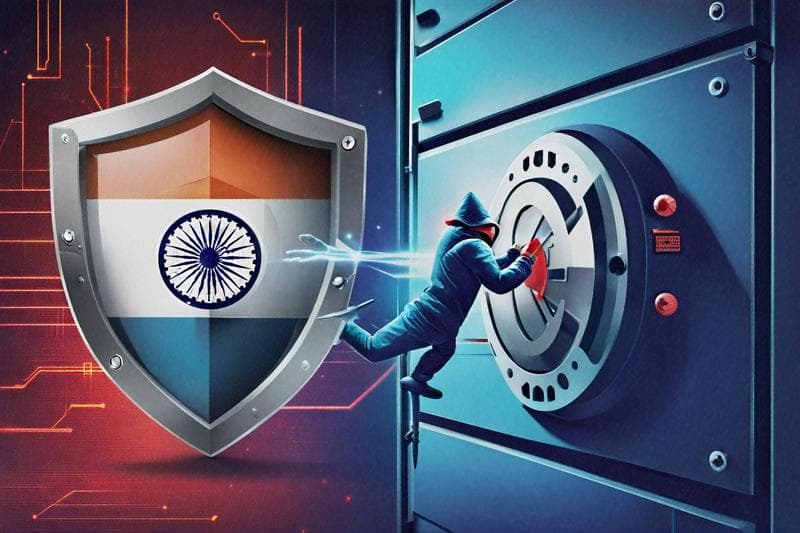
Someone asked me last week: 'Can a virus actually steal money from my phone?' The short answer is yes. Banking trojans designed specifically for Indian UPI and banking apps are more common than most people realise.
A ten-year-old in Pune opens a gaming app and taps 'I agree' without reading a word. India's DPDPA 2023 says that shouldn't count as consent. But does the law actually protect kids, or does it just look good on paper?
So you searched for running shoes once, and now every app on your phone is showing you sneaker ads. That's not coincidence. Here's the machinery behind digital ad tracking in India, and whether you can actually escape it.
India's IT Intermediary Guidelines are the most significant set of rules governing social media in the country's history. They promise accountability and threaten privacy in roughly equal measure. A thoughtful examination of what they mean for you.
We've been talking about women's online safety in India for years, and the numbers keep getting worse. This Women's Day, here's a warm but honest guide to the threats, the tools, and the complicated reality of being a woman online in this country.
You handed your Aadhaar, PAN, and address proof to a bank. Now what can they do with it? A flat-toned walkthrough of what's allowed, what's not, and the gray zones nobody clarifies.
India shut down the internet over 80 times in 2025. The economic damage crossed Rs 4,000 crore. And the government keeps calling these measures 'proportionate.' A skeptical look at where things stand in early 2026.
A friend got spam-bombed after one IRCTC booking. Here's what happened, what these portals actually collect, and the casual fixes that keep your data from leaking everywhere.
February 2026 was a busy month for privacy in India — a fintech breach exposed 2.3 million records, the Data Protection Board got its full bench, and UPI fraud numbers got worse. Here's what happened.
India isn't ready for deepfakes. Not the government, not the platforms, and definitely not the average WhatsApp user. Here's how bad it's gotten and what you can realistically do about a problem nobody's solving fast enough.
Ever wonder how much your Android phone tells Google about you before you've even opened an app? Probably more than you'd be comfortable with. Here's how to set up your phone so it stops oversharing.
Indian e-commerce platforms promise personalized shopping while quietly building profiles that would make a private investigator jealous. Here's a flat look at what Flipkart, Amazon India, Meesho, and others actually collect — and what they do with it.
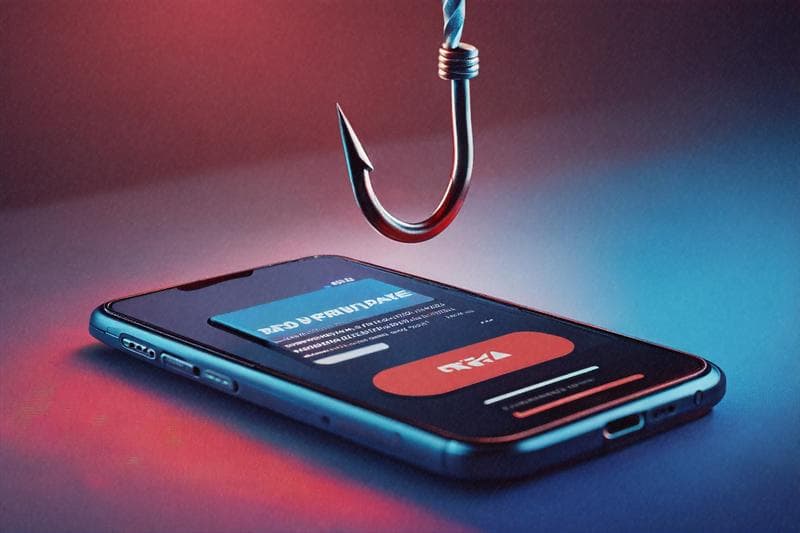
A colleague lost Rs 4.7 lakh to a single phishing email that looked exactly like an SBI alert. Here's how to spot the fakes, lock down your inbox, and make sure you're not the next easy target.
What exactly does a Data Protection Officer do all day, and why are Indian companies suddenly willing to pay lakhs for someone to fill the role? The DPDPA has created a career that barely existed here three years ago. Here's what the job looks like, what it pays, and how to break in.
Dating apps promise connection, but they collect some of the most intimate data you'll ever hand over — your location at 2 AM, your photo library, your desires. In a country where a leaked profile can wreck a reputation overnight, here's what Indian users should actually worry about.
A single tap on a fake payment link cost a Chennai shopkeeper his entire month's earnings. UPI phishing scams are bleeding Indian wallets dry through bogus SMS blasts, spoofed Google Ads, and WhatsApp traps. Here's how to spot them before your money vanishes.
Only 38% of Indian internet users could identify a phishing email in a recent nationwide survey. On Safer Internet Day 2026, that number should trouble us all -- and it should also tell us exactly where to start.
Most Indian startups are already violating the DPDPA and don't even know it. The consent banners are wrong, the data maps don't exist, and the clock is ticking toward penalties that could shut a company down.
A Pune man lost Rs 16 lakh in 47 minutes. His phone just stopped working. That's how SIM swap fraud begins -- silent, fast, and devastating. Here's what happened, and what you should know before it happens to you.
Someone recently asked me: 'WhatsApp says my messages are encrypted. Does that mean nobody can read them? Not even WhatsApp?' The answer is surprisingly interesting, and it affects every single message you send.
So you found a deal on Flipkart that seems too good. Or someone on Instagram is selling branded shoes at 80% off. Before you punch in your UPI PIN, let's talk about how to shop online without getting scammed -- because the tricks are getting really clever.
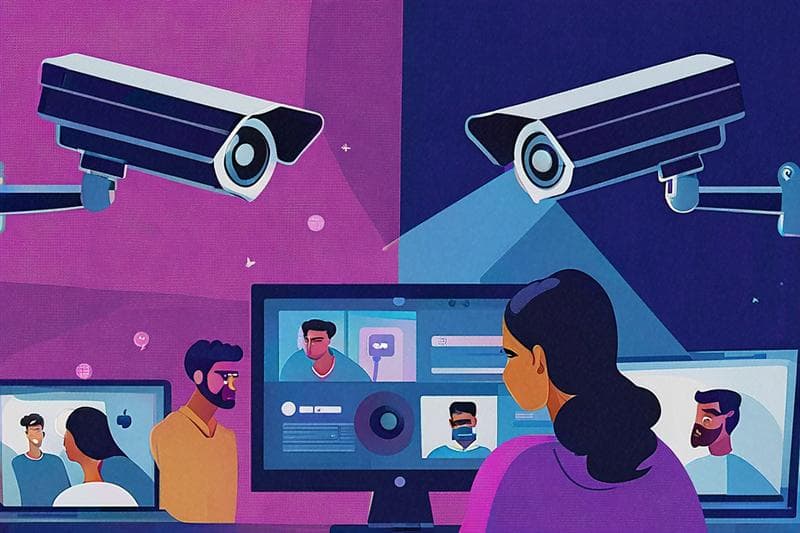
India calls itself the world's largest democracy and simultaneously runs one of the most expansive social media monitoring operations on the planet. Here's what that actually looks like on the ground, and what it means for every Indian who posts, shares, or simply scrolls.
Your DigiLocker holds driving licences, Aadhaar, marksheets, and insurance papers all in one place. If someone breaks in, they don't just steal files -- they steal your identity. Here's how to lock it down before that happens.
The Information Technology Act 2000 is the foundational cyber law in India. Learn about its key provisions, amendments, and how they impact your digital privacy.
Your browser is the gateway to the internet, and it can leak enormous amounts of personal data. Explore the best privacy-focused browsers available for Indian users.
Most online banking security advice is useless. Here's what actually happens when Indian bank customers get defrauded, what the attacks really look like, and the specific steps that would have prevented each one. Including the RBI rule that could save you lakhs if you act within 3 days.
Have you ever wondered what Google actually knows about you? Your Android phone tracks locations, records voice queries, logs every search, and builds an advertising profile — all with settings turned on by default. Here's how to claw back some of that privacy without throwing your phone out the window.
India's cyber incident response agency wields enormous power over how companies report breaches, store logs, and cooperate with investigations — yet most citizens have never heard of it. Here's what CERT-In actually does, where it falls short, and why its 2022 directives changed the rules for everyone.
You've got more digital rights than you probably think. From the Puttaswamy privacy ruling to the DPDP Act to net neutrality protections, here's what the Constitution and Indian law actually guarantee you online — and how to use those rights when it matters.
India's data localization story has taken more turns than most people realize. From early drafts that demanded strict local storage to the DPDP Act's more flexible approach, here's what actually changed and why it matters for your data.
That six-digit code your bank texts you? It travels through a telecom system built in the 1970s. SIM swaps, SS7 holes, and plain old trickery make SMS OTP a shaky second factor -- here is what actually works better.
Over 1.8 billion records belonging to Indian citizens were exposed between 2018 and 2025. Here's a year-by-year breakdown of the biggest data breaches, what went wrong each time, and what ordinary people can actually do about it.
I keep seeing people call Telegram a 'secure' app and it drives me up the wall. Here's a Q&A breakdown of how Telegram and Signal actually stack up for Indian users — no fluff, no fanboying.
I deleted my Flipkart app for a month. When I reinstalled it, the app already knew what I'd been browsing on Myntra. Here's the uncomfortable truth about how Indian tech companies follow you across the internet.
Most password advice floating around Indian tech circles is recycled nonsense. Here's what actually works when you've got 80+ accounts, UPI apps, and Aadhaar-linked services to protect -- tested and priced for India.
Someone you love could be sitting on a video call right now, shaking, convinced they're about to go to jail. Digital arrest scams have torn through India, and the people running them are disturbingly good at what they do.
Fourteen billion UPI transactions a month and people are still entering their PIN to 'receive' money. Here's what nobody bothers to explain about collect request scams, fake helplines, QR code tricks, and SIM swaps — plus what actually works when you've already been hit.
Ever wonder why your uncle's WhatsApp profile photo ended up on a scam account asking his friends for money? Half a billion Indians use this app daily, and I'd bet most haven't touched a single privacy setting.
I got tired of recycled Aadhaar safety tips that skip the parts that actually matter, so I wrote down everything I've learned from years of cleaning up identity theft messes in India.
So I was chatting with a friend about why his Aadhaar got misused, and it hit me -- most of us in India still don't get why our data matters until something goes wrong.
India's DPDP Act took over six years and four drafts to become law — here's what it actually says, who it hits hardest, and why most people I've talked to still don't know their rights under it.