World Down Syndrome Day and Digital Accessibility: Inclusive Privacy
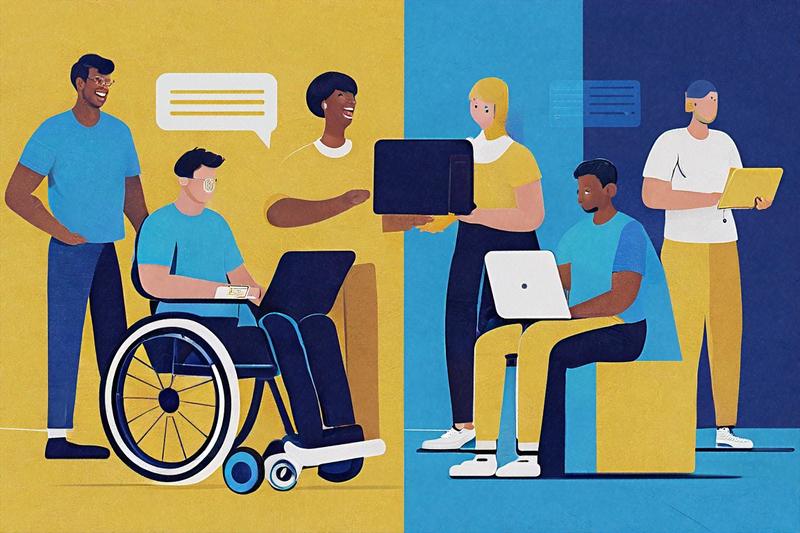
I've been thinking about who gets left out when we design privacy tools and consent systems. On World Down Syndrome Day, that question feels more pressing than usual.
Found 27 results for "DPDPA"
I've been thinking about who gets left out when we design privacy tools and consent systems. On World Down Syndrome Day, that question feels more pressing than usual.
Picture this: you open your laptop, visit a medical website, then a job portal, then your bank. Your ISP just logged all three. Encrypted DNS stops that — and setting it up takes about five minutes.
India Stack is brilliant engineering. It's also the most extensive personal data infrastructure any democracy has ever built. Holding both of those thoughts at once is where the interesting conversation starts.
People say they care about phone privacy, then hand every app blanket access to their camera, microphone, contacts, and location. Here's how to actually check what your apps can see and shut down the ones that are overreaching.
A ten-year-old in Pune opens a gaming app and taps 'I agree' without reading a word. India's DPDPA 2023 says that shouldn't count as consent. But does the law actually protect kids, or does it just look good on paper?
Tor isn't just for hackers or whistleblowers. It's a legitimate privacy tool, it's legal in India, and most people use it wrong. Here's what happened when I started using it properly, and what you should know before you try.
So you searched for running shoes once, and now every app on your phone is showing you sneaker ads. That's not coincidence. Here's the machinery behind digital ad tracking in India, and whether you can actually escape it.
Your smart speaker is always listening. Your Wi-Fi camera is phoning home to servers you've never heard of. Indian households are filling up with connected gadgets and barely anyone's asking what data leaves the house.
February 2026 was a busy month for privacy in India — a fintech breach exposed 2.3 million records, the Data Protection Board got its full bench, and UPI fraud numbers got worse. Here's what happened.
Google Drive encrypts your files, sure — but Google holds the keys. That's not privacy, that's a filing cabinet where someone else has a copy of the combination. Here's what actually works.
Something you did ten years ago still shows up on Google when someone searches your name. Should you have the right to make it disappear? India's answer is complicated, evolving, and worth understanding.
Your fingerprints can't be reset like a password. India holds biometric data on 1.4 billion people through Aadhaar alone, and the legal protections around that data remain thinner than most citizens realize.
Indian e-commerce platforms promise personalized shopping while quietly building profiles that would make a private investigator jealous. Here's a flat look at what Flipkart, Amazon India, Meesho, and others actually collect — and what they do with it.
Your boss might be watching your screen right now. No, really. Since the work-from-home boom, Indian companies have quietly installed keystroke loggers, screenshot tools, and GPS trackers on employee devices. The law on whether any of this is legal? It's a mess.
Most people assume AI in India is still experimental, mostly chatbots and Netflix suggestions. They're wrong. Indian companies are already using machine learning to decide your loan eligibility, set the prices you see online, and scan your face in public. Here's what that means for your data.
Practo knows your prescriptions. 1mg knows your lab results. PharmEasy knows what you're treating. Apollo 247 has your vitals. And the Ayushman Bharat Health ID might soon tie it all together. Who else is looking at your medical records?
What exactly does a Data Protection Officer do all day, and why are Indian companies suddenly willing to pay lakhs for someone to fill the role? The DPDPA has created a career that barely existed here three years ago. Here's what the job looks like, what it pays, and how to break in.
Dating apps promise connection, but they collect some of the most intimate data you'll ever hand over — your location at 2 AM, your photo library, your desires. In a country where a leaked profile can wreck a reputation overnight, here's what Indian users should actually worry about.
-- so you're telling me the government installed 15,000 cameras in my city, connected them to a centralized command center, and nobody asked whether residents were okay with being watched 24/7? Yeah. That's basically the situation in most of India's 100 smart cities.
People keep saying the DPDPA will let you ask what data the government holds on you. I disagree. The RTI Act has been doing that since 2005, for ten rupees, and most people haven't thought to try it.
Only 38% of Indian internet users could identify a phishing email in a recent nationwide survey. On Safer Internet Day 2026, that number should trouble us all -- and it should also tell us exactly where to start.
Most Indian startups are already violating the DPDPA and don't even know it. The consent banners are wrong, the data maps don't exist, and the clock is ticking toward penalties that could shut a company down.
Your kid logs into an EdTech app for a math lesson, and the company records their age, location, quiz mistakes, how long they stared at a video, and which ads they tapped. Here's what Indian EdTech platforms actually do with student data -- and why parents should be paying closer attention.
So you found a deal on Flipkart that seems too good. Or someone on Instagram is selling branded shoes at 80% off. Before you punch in your UPI PIN, let's talk about how to shop online without getting scammed -- because the tricks are getting really clever.
India's streets are filling up with CCTV cameras faster than anyone can count them, yet there's barely a rulebook for who watches, who stores the footage, or how long they keep it. Here's what that means for your privacy.
My daughter's tablet knew her school name, her best friend's birthday, and which park we visit on Sundays. She's seven. Here's what I've learned about keeping kids' data safe in India -- and what most parents still don't know.
India slashed its breach reporting window from 24 hours to 6. That's just one piece of the 2026 cybersecurity guidelines -- quarterly CII audits, AI governance rules, and a tiered compliance system round out the rest.