The Rise of Digital Arrest Scams in India: How to Stay Safe
Someone you love could be sitting on a video call right now, shaking, convinced they're about to go to jail. Digital arrest scams have torn through India, and the people running them are disturbingly good at what they do.
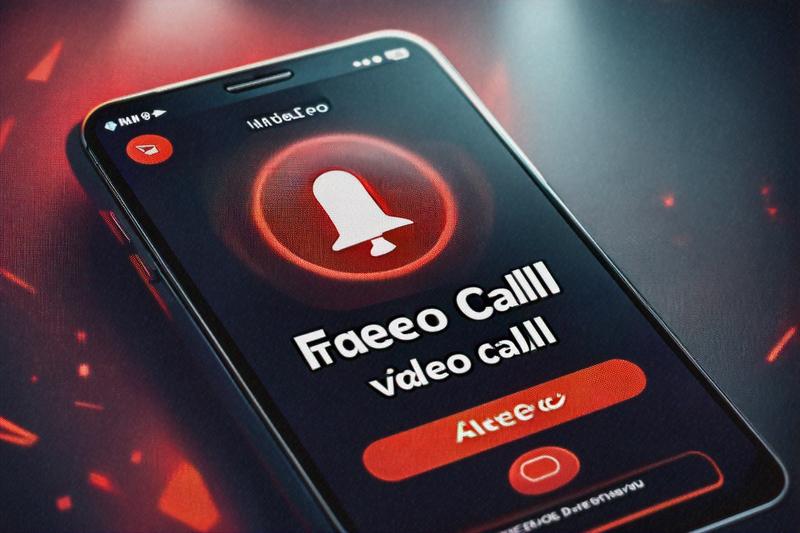
Someone's uncle is on a video call right now with a man in a police uniform, hands trembling, convinced he's about to be hauled off to Tihar Jail for a crime he didn't commit. That's not a hypothetical. By the time you finish reading this, it'll probably have happened to a few dozen more people across the country. And that thought should make you angry, because the whole thing is a con. Every single piece of it.
I've been tracking these "digital arrest" scams for months now, and what bothers me isn't just the money people lose — though the numbers are staggering. It's the psychological violence of it. You take an ordinary person, maybe a retired schoolteacher in Pune or an IT professional in Bangalore, and you trap them on a screen for six, eight, sometimes twelve hours, telling them their life is over unless they pay. People have had panic attacks. Some have been hospitalized. A few haven't survived the aftermath.
So no, I'm not going to be polite about this. Let's get into how it actually works, who's behind it, and what you can do before it happens to someone in your family.
How Did We Get Here?
Back around late 2023, police departments across India started noticing a weird spike in a specific type of fraud complaint. Victims would come in, shaken, saying they'd been "arrested" — but over a phone call. Early on, cops themselves were confused by the terminology. "Digital arrest" isn't a thing in Indian law. There's no provision for it in the CrPC, the BNS, or any other statute. It doesn't exist.
But that's exactly what makes it work. Most people don't know the law well enough to call the bluff. When someone in a khaki uniform appears on your screen, rattling off section numbers and flashing what looks like an official document with your Aadhaar number on it, you don't stop to Google whether a "digital arrest" is legally valid. You panic. And once panic sets in, rational thinking goes out the window.
By mid-2024, the Indian Cyber Crime Coordination Centre (I4C) was reporting losses north of Rs 2,100 crore from these scams alone. That figure likely underestimates reality, since plenty of victims never file complaints out of shame. A retired bank manager in Lucknow lost Rs 1.5 crore in a single day. A doctor in Chennai paid out Rs 78 lakhs over the course of a week. An elderly widow in Kolkata handed over her entire savings — Rs 42 lakhs — because she believed her dead husband's bank account had been flagged for money laundering.
These aren't gullible people. They're scared people. There's a difference, and the scammers understand it perfectly.
The Anatomy of a Digital Arrest Call
I've listened to recordings of these calls. I've spoken to victims. Watched screen recordings that some managed to save. And I've got to say, the production quality has gotten disturbingly professional. Here's what a typical encounter looks like, broken into stages:
Stage One: The Hook
Your phone rings. Or you get a WhatsApp call. Sometimes it starts with an automated message: "A package registered under your Aadhaar number has been intercepted by customs containing illegal substances." Or: "Your bank account has been linked to a money laundering investigation." Or: "A SIM card registered in your name has been used in a criminal case."
Press 1 to speak to an officer, the message says. Most people press 1 out of sheer confusion.
Stage Two: The Setup
A "customs officer" or "narcotics bureau official" picks up. They sound professional, use bureaucratic language, and read out personal details — your name, your address, sometimes your PAN number. All of this probably came from one of the dozens of data breaches India has suffered over the past few years. Remember when Aadhaar data was floating around on Telegram? It ends up in scam call centres.
They tell you this is very serious. A case has been registered. They're going to transfer you to a senior officer.
Stage Three: The Escalation
Now you're on a video call. A man sits behind a desk. There's an Indian flag in the background. He's wearing a uniform. Behind him, you might see what looks like an office at a government building — filing cabinets, a nameplate, even other "officers" walking around. Some of these setups are elaborate enough that they'd fool most people at first glance.
He might introduce himself as a CBI officer, or a joint commissioner of police, or someone from the Enforcement Directorate. He'll show you what appears to be an FIR with your name on it. Sometimes they'll show a "Supreme Court order" demanding your immediate digital appearance.
None of it is real. But in the moment, with your heart hammering and this stern man telling you your freedom is at stake, it feels real enough.
Stage Four: The Cage
Here's where it gets genuinely cruel. You're told you must remain on the video call. Disconnecting, they say, will be treated as obstruction of justice. They'll issue a physical arrest warrant. Police will show up at your door. Your family will be notified. Your name will appear in newspapers.
You're instructed not to tell anyone — not your spouse, not your children, not a lawyer. "This investigation is confidential under Section 172 of the CrPC," they'll say, or cite some other real-sounding provision. Some victims have been kept on video calls for 10 to 14 hours straight, monitored continuously, not allowed to eat or use the bathroom without "permission."
That's not an investigation. That's captivity.
Stage Five: The Extraction
Eventually, you're told there's a way to "clear your name." Transfer funds to a "government verification account" so they can confirm you're not involved. Or deposit money as a "refundable security bond." Or pay a "fine" to close the case before it goes public.
They'll walk you through the transfer. NEFT, RTGS, UPI — whatever works. Some victims have been instructed to take out fixed deposits and break them, sell gold, or take loans. One man in Delhi sold his car. A woman in Hyderabad mortgaged her flat.
Once the money is gone, the call ends. And suddenly the "CBI officer" who was so concerned about national security is unreachable.
Who's Running This Operation?
Multiple investigations by Indian police and Interpol point to organized networks operating out of Southeast Asia, particularly from compounds in Myanmar, Cambodia, and Laos. Many of these operations are run by Chinese criminal syndicates who traffic workers — including Indians — to staff call centres in border areas. Some workers are there willingly; many aren't.
But it's not all offshore. I4C and state cyber cells have busted domestic operations in Jharkhand, Rajasthan, and parts of UP. Mewat, a region straddling Haryana and Rajasthan, has become a known hub for lower-tier scam operations. These domestic cells often handle the initial contact and data procurement, while the video-call intimidation happens from abroad.
They use spoofed caller IDs. VoIP numbers that display Indian government prefixes. WhatsApp accounts registered on foreign SIMs. Deepfake-capable video setups. The technology isn't science fiction — it's cheap, available, and good enough to fool someone who's already scared.
Why Educated, Successful People Fall for This
Every time one of these cases hits the news, you see the same dismissive comments online. "How can anyone be so stupid?" That response misses the point entirely.
Fear of authority runs deep in Indian culture. We grow up in a system where interactions with police are rarely pleasant. The thought of being accused — just accused — of something like money laundering or drug trafficking is terrifying enough to short-circuit rational thought. Add to that the social stigma. Even a false accusation can destroy reputations, marriages, careers. Victims aren't thinking about whether "digital arrest" is a real legal concept. They're thinking about what their neighbors will say.
Older victims are especially vulnerable. They didn't grow up with the internet. A video call with a uniformed officer feels authoritative in a way that a text message doesn't. And the scammers know to target people during work hours, when they're alone at home, isolated from family who might talk sense into them.
I'd honestly argue that the smarter and more law-abiding someone is, the more susceptible they might be. If you've never broken a law in your life, the suggestion that you're under investigation is uniquely horrifying. You don't know what to do because you've never had to think about it.
Red Flags That Should Make You Hang Up Immediately
Let me be blunt. If any of the following happen, end the call. Don't be polite about it. Just hang up.
- Anyone asks you to stay on a video call for "verification." Indian law enforcement doesn't do this. Period. A real officer would ask you to come to the station or would visit your home with documented paperwork.
- You're told not to inform family or a lawyer. Any legitimate legal process allows — in fact, requires — that you have access to legal counsel. If someone tells you to keep quiet, that's not protocol. That's control.
- Money is demanded. No government agency asks for payments over video call. Not the CBI, not customs, not the police, not the RBI. Zero. If money comes up, it's a scam. Full stop.
- They know your Aadhaar or PAN number. So does half the dark web at this point, thanks to years of data breaches. A scammer reciting your personal details doesn't make them legitimate. It means they bought a database.
- There's urgency and threats. "If you don't comply in the next 30 minutes..." is a pressure tactic. Courts don't work on 30-minute deadlines. Investigations don't happen over WhatsApp.
- They show documents on screen. Any document shown on a video call could be fabricated in five minutes with a template and a printer. Real FIRs, warrants, and court orders are served physically, with verifiable case numbers you can check at the relevant court.
What to Actually Do If You Get One of These Calls
First: hang up. I know that sounds obvious in retrospect, but in the moment, when someone in uniform is shouting about arrest warrants, it doesn't feel simple. Hang up anyway. Nothing bad will happen. No police van is going to materialize at your door.
Second: call someone you trust. A family member, a friend, a lawyer. Tell them what happened. Scammers rely on isolation. Breaking that isolation breaks their power over you.
Third: verify independently. If you're genuinely worried that there might be a real case, go to the actual police station in your jurisdiction. Or call the agency's official number — not any number the caller gave you, but the one you find on the agency's .gov.in website. I'll almost guarantee they'll tell you there's no such case.
Fourth: report it. File a complaint on cybercrime.gov.in, the National Cyber Crime Reporting Portal. You can also call 1930, the cybercrime helpline. If you've already transferred money, file the report immediately — within the first hour or two, there's sometimes a chance of freezing the funds before they're withdrawn.
Fifth: save everything. Screenshots of the caller's number, the WhatsApp profile, any documents they showed on screen, the exact time and duration of the call. All of this helps investigators.
A Conversation You Need to Have Tonight
Here's something I'd urge you to do today, not tomorrow, not next week. Sit down with your parents, your grandparents, your older relatives — anyone who might be home alone during the day — and explain this scam to them. Don't lecture. Don't be condescending. Just walk them through it.
Tell them: "If anyone calls you claiming to be police or CBI and says you're under investigation, it's a scam. Hang up and call me immediately." Make them repeat it back. Write the cybercrime helpline number — 1930 — on a piece of paper and stick it next to their phone. I'm serious about this. The five minutes you spend on that conversation could save them lakhs of rupees and months of trauma.
My neighbor's mother, a 67-year-old retired teacher, got one of these calls in November 2025. She was on the video call for three hours before her daughter came home and found her crying at the dining table, phone propped up against a water jug, a man on screen telling her she'd be arrested by evening. Three hours. She hadn't eaten lunch. She'd already shared her bank account details. They recovered most of the money because the daughter reported it within 40 minutes, but the woman still has trouble sleeping.
That's what these scams do. They don't just steal money. They steal something harder to get back.
What's Being Done — and Why It Isn't Enough
I don't want to be entirely pessimistic. Things are happening. I4C has been running awareness campaigns. PM Modi specifically mentioned digital arrest scams during a Mann Ki Baat episode in late 2024. Telecom companies have started flagging and blocking spoofed numbers. State police departments have set up dedicated cyber cells.
But the pace of response doesn't match the pace of the problem. Scammers adapt weekly. They change phone numbers, rotate video call setups, update their scripts based on what's in the news. When authorities started warning about "customs package" hooks, the scammers switched to "your Aadhaar has been used to open 17 bank accounts." When people got wise to that, they moved on to "your son has been arrested and we need bail money sent to this account."
Blocking spoofed numbers helps, but VoIP technology makes it trivially easy to generate new ones. Busting call centres in Myanmar is diplomatically complicated and logistically slow. And the domestic side of the operation — the data brokers, the mule account holders, the SIM card suppliers — remains under-prosecuted.
Honestly, I think the single most effective weapon against these scams isn't technology or law enforcement. It's awareness at the family level. One informed family member can break the spell of a scam call in seconds. All it takes is someone who knows that "digital arrest" is a fiction.
So Here's Where I'll Leave This
Right now, somewhere in India, someone's uncle is on a video call with a man in a police uniform. Maybe he's already given out his bank details. Maybe he's reaching for his laptop to make a transfer. Maybe he's just sitting there, frozen, because a stranger told him his life is about to fall apart and he believed it.
You probably can't help that particular person. But you can help the next one. Talk to your family. Share this with people who need to hear it. Put the 1930 number where everyone can see it. Make sure the people you care about know that no police officer in India can arrest you through a video call, that no government agency will ever demand money on WhatsApp, and that hanging up on a scammer isn't a crime — it's common sense.
And if you or anyone you know has already been targeted, report it at cybercrime.gov.in right away. Even if you didn't lose money. Even if you caught it in time. Every report helps build the picture that investigators need to go after these networks. Silence only protects the people running the con.
Written by
Vikram SinghCybersecurity Consultant
Vikram Singh is a certified ethical hacker and cybersecurity consultant who has helped secure systems for major Indian banks and government agencies. He writes about practical security measures for everyday Indian internet users.
Related Posts
International Women's Day: Online Safety Guide for Women in India
We've been talking about women's online safety in India for years, and the numbers keep getting worse. This Women's Day, here's a warm but honest guide to the threats, the tools, and the complicated reality of being a woman online in this country.

How to Detect Hidden Cameras in Hotels and Changing Rooms
Spy camera busts in Indian hotels and trial rooms keep making headlines, and the response from the hospitality industry is pathetically inadequate. Here's how to check for yourself.
Protecting Your Privacy on Indian Railway Booking Portals
A friend got spam-bombed after one IRCTC booking. Here's what happened, what these portals actually collect, and the casual fixes that keep your data from leaking everywhere.