World Down Syndrome Day and Digital Accessibility: Inclusive Privacy
I've been thinking about who gets left out when we design privacy tools and consent systems. On World Down Syndrome Day, that question feels more pressing than usual.
I've been thinking about who gets left out when we design privacy tools and consent systems. On World Down Syndrome Day, that question feels more pressing than usual.
We've been talking about women's online safety in India for years, and the numbers keep getting worse. This Women's Day, here's a warm but honest guide to the threats, the tools, and the complicated reality of being a woman online in this country.
India shut down the internet over 80 times in 2025. The economic damage crossed Rs 4,000 crore. And the government keeps calling these measures 'proportionate.' A skeptical look at where things stand in early 2026.
Something you did ten years ago still shows up on Google when someone searches your name. Should you have the right to make it disappear? India's answer is complicated, evolving, and worth understanding.
Your boss might be watching your screen right now. No, really. Since the work-from-home boom, Indian companies have quietly installed keystroke loggers, screenshot tools, and GPS trackers on employee devices. The law on whether any of this is legal? It's a mess.
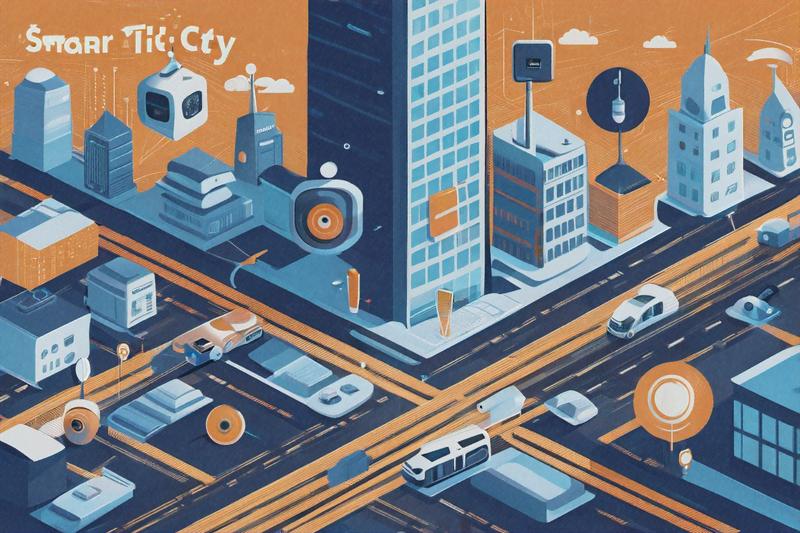
-- so you're telling me the government installed 15,000 cameras in my city, connected them to a centralized command center, and nobody asked whether residents were okay with being watched 24/7? Yeah. That's basically the situation in most of India's 100 smart cities.
People keep saying the DPDPA will let you ask what data the government holds on you. I disagree. The RTI Act has been doing that since 2005, for ten rupees, and most people haven't thought to try it.
India calls itself the world's largest democracy and simultaneously runs one of the most expansive social media monitoring operations on the planet. Here's what that actually looks like on the ground, and what it means for every Indian who posts, shares, or simply scrolls.
The Information Technology Act 2000 is the foundational cyber law in India. Learn about its key provisions, amendments, and how they impact your digital privacy.
You've got more digital rights than you probably think. From the Puttaswamy privacy ruling to the DPDP Act to net neutrality protections, here's what the Constitution and Indian law actually guarantee you online — and how to use those rights when it matters.
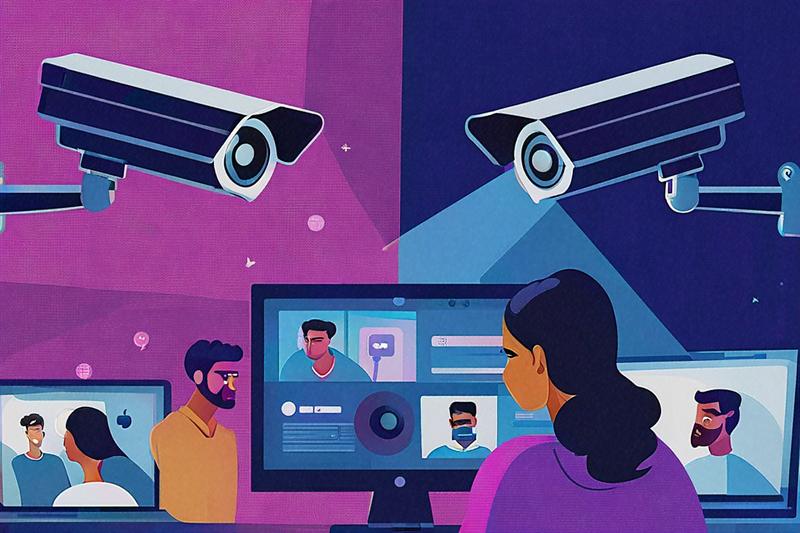
India's streets are filling up with CCTV cameras faster than anyone can count them, yet there's barely a rulebook for who watches, who stores the footage, or how long they keep it. Here's what that means for your privacy.
My daughter's tablet knew her school name, her best friend's birthday, and which park we visit on Sundays. She's seven. Here's what I've learned about keeping kids' data safe in India -- and what most parents still don't know.
A friend's bank leaked her Aadhaar details to a marketing firm. She didn't know where to complain. Turns out, India actually gives you real options -- from Grievance Officers to the Data Protection Board to consumer courts. Here's what I learned helping her fight back.