World Down Syndrome Day and Digital Accessibility: Inclusive Privacy
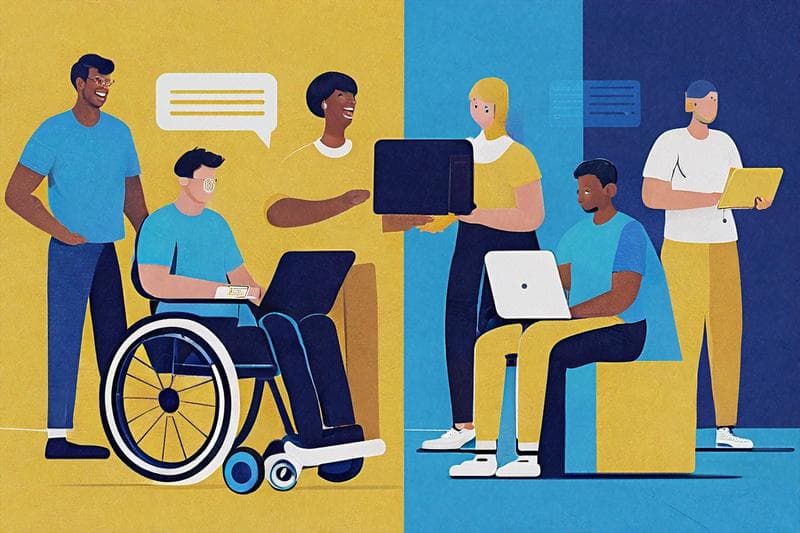
I've been thinking about who gets left out when we design privacy tools and consent systems. On World Down Syndrome Day, that question feels more pressing than usual.
Found 31 results for "authentication"
I've been thinking about who gets left out when we design privacy tools and consent systems. On World Down Syndrome Day, that question feels more pressing than usual.
India Stack is brilliant engineering. It's also the most extensive personal data infrastructure any democracy has ever built. Holding both of those thoughts at once is where the interesting conversation starts.
You don't need to spend money to take back your privacy. Every tool on this list is free, open source, and works in India. Most of them take less than ten minutes to set up.
Someone asked me last week: 'Can a virus actually steal money from my phone?' The short answer is yes. Banking trojans designed specifically for Indian UPI and banking apps are more common than most people realise.
Eighty-three percent of Indians reuse the same password across multiple accounts. Here are real-world methods for building strong, memorable passwords without losing your mind.
We've been talking about women's online safety in India for years, and the numbers keep getting worse. This Women's Day, here's a warm but honest guide to the threats, the tools, and the complicated reality of being a woman online in this country.
Most Indian SMEs will get hit by ransomware not because of some sophisticated zero-day attack, but because of weak passwords and unpatched systems. Here's the conversational, practical guide to not being that business.
You handed your Aadhaar, PAN, and address proof to a bank. Now what can they do with it? A flat-toned walkthrough of what's allowed, what's not, and the gray zones nobody clarifies.
A friend got spam-bombed after one IRCTC booking. Here's what happened, what these portals actually collect, and the casual fixes that keep your data from leaking everywhere.
Your fingerprints can't be reset like a password. India holds biometric data on 1.4 billion people through Aadhaar alone, and the legal protections around that data remain thinner than most citizens realize.
A colleague lost Rs 4.7 lakh to a single phishing email that looked exactly like an SBI alert. Here's how to spot the fakes, lock down your inbox, and make sure you're not the next easy target.
India slaps a flat 30% tax on crypto gains with zero deductions, while exchanges hand over your KYC data on request. Here's a Q&A breakdown of what crypto privacy actually looks like in this country, where the tax math stands, and what you can (and can't) do about it.
Practo knows your prescriptions. 1mg knows your lab results. PharmEasy knows what you're treating. Apollo 247 has your vitals. And the Ayushman Bharat Health ID might soon tie it all together. Who else is looking at your medical records?
You probably spent 70,000 rupees or more on that iPhone. Yet most Indian users haven't touched half the privacy settings buried inside iOS. Here's a no-nonsense walkthrough of every toggle that matters, from App Tracking Transparency to Lockdown Mode.
A single tap on a fake payment link cost a Chennai shopkeeper his entire month's earnings. UPI phishing scams are bleeding Indian wallets dry through bogus SMS blasts, spoofed Google Ads, and WhatsApp traps. Here's how to spot them before your money vanishes.
People keep saying the DPDPA will let you ask what data the government holds on you. I disagree. The RTI Act has been doing that since 2005, for ten rupees, and most people haven't thought to try it.
Most Indian startups are already violating the DPDPA and don't even know it. The consent banners are wrong, the data maps don't exist, and the clock is ticking toward penalties that could shut a company down.
A Pune man lost Rs 16 lakh in 47 minutes. His phone just stopped working. That's how SIM swap fraud begins -- silent, fast, and devastating. Here's what happened, and what you should know before it happens to you.
Your DigiLocker holds driving licences, Aadhaar, marksheets, and insurance papers all in one place. If someone breaks in, they don't just steal files -- they steal your identity. Here's how to lock it down before that happens.
The Information Technology Act 2000 is the foundational cyber law in India. Learn about its key provisions, amendments, and how they impact your digital privacy.
Your browser is the gateway to the internet, and it can leak enormous amounts of personal data. Explore the best privacy-focused browsers available for Indian users.
Most online banking security advice is useless. Here's what actually happens when Indian bank customers get defrauded, what the attacks really look like, and the specific steps that would have prevented each one. Including the RBI rule that could save you lakhs if you act within 3 days.
Your neighbor might be on your Wi-Fi right now. Default passwords, outdated encryption, and forgotten settings leave most Indian home networks wide open. Here's how to actually lock yours down.
That six-digit code your bank texts you? It travels through a telecom system built in the 1970s. SIM swaps, SS7 holes, and plain old trickery make SMS OTP a shaky second factor -- here is what actually works better.
Over 1.8 billion records belonging to Indian citizens were exposed between 2018 and 2025. Here's a year-by-year breakdown of the biggest data breaches, what went wrong each time, and what ordinary people can actually do about it.
Most password advice floating around Indian tech circles is recycled nonsense. Here's what actually works when you've got 80+ accounts, UPI apps, and Aadhaar-linked services to protect -- tested and priced for India.
India slashed its breach reporting window from 24 hours to 6. That's just one piece of the 2026 cybersecurity guidelines -- quarterly CII audits, AI governance rules, and a tiered compliance system round out the rest.
Ever wonder why your uncle's WhatsApp profile photo ended up on a scam account asking his friends for money? Half a billion Indians use this app daily, and I'd bet most haven't touched a single privacy setting.
Everyone tells you to check if your data's been leaked. I ignored that advice for three years -- until a loan showed up on my CIBIL report that I never applied for, traced back to a telecom breach I could've caught in five minutes.
I got tired of recycled Aadhaar safety tips that skip the parts that actually matter, so I wrote down everything I've learned from years of cleaning up identity theft messes in India.
So I was chatting with a friend about why his Aadhaar got misused, and it hit me -- most of us in India still don't get why our data matters until something goes wrong.