World Down Syndrome Day and Digital Accessibility: Inclusive Privacy
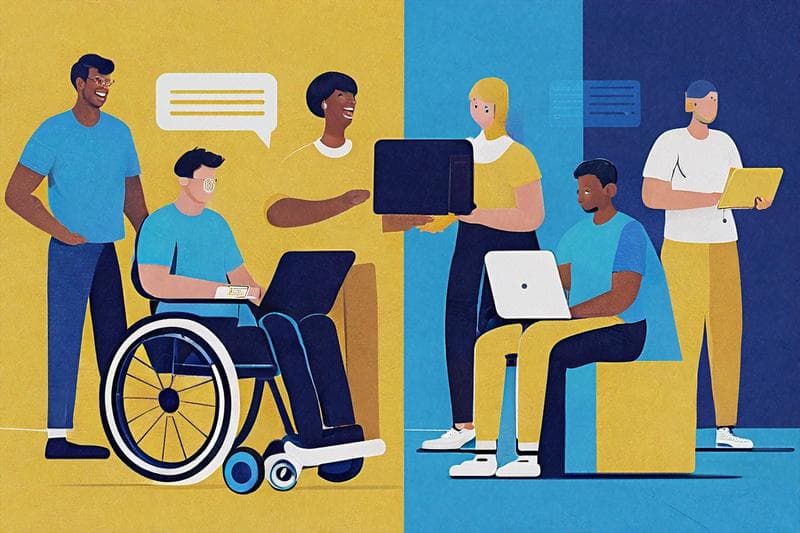
I've been thinking about who gets left out when we design privacy tools and consent systems. On World Down Syndrome Day, that question feels more pressing than usual.
Found 28 results for "iOS"
I've been thinking about who gets left out when we design privacy tools and consent systems. On World Down Syndrome Day, that question feels more pressing than usual.
India Stack is brilliant engineering. It's also the most extensive personal data infrastructure any democracy has ever built. Holding both of those thoughts at once is where the interesting conversation starts.
People say they care about phone privacy, then hand every app blanket access to their camera, microphone, contacts, and location. Here's how to actually check what your apps can see and shut down the ones that are overreaching.
You don't need to spend money to take back your privacy. Every tool on this list is free, open source, and works in India. Most of them take less than ten minutes to set up.
A ten-year-old in Pune opens a gaming app and taps 'I agree' without reading a word. India's DPDPA 2023 says that shouldn't count as consent. But does the law actually protect kids, or does it just look good on paper?
Tor isn't just for hackers or whistleblowers. It's a legitimate privacy tool, it's legal in India, and most people use it wrong. Here's what happened when I started using it properly, and what you should know before you try.
So you searched for running shoes once, and now every app on your phone is showing you sneaker ads. That's not coincidence. Here's the machinery behind digital ad tracking in India, and whether you can actually escape it.
Eighty-three percent of Indians reuse the same password across multiple accounts. Here are real-world methods for building strong, memorable passwords without losing your mind.
So I turned off location services on my phone for a week to see what would happen. The answer: a lot more than I expected. Here's a casual deep dive into how your phone tracks you and what you can realistically do about it.
We've been talking about women's online safety in India for years, and the numbers keep getting worse. This Women's Day, here's a warm but honest guide to the threats, the tools, and the complicated reality of being a woman online in this country.
Most Indian SMEs will get hit by ransomware not because of some sophisticated zero-day attack, but because of weak passwords and unpatched systems. Here's the conversational, practical guide to not being that business.
Spy camera busts in Indian hotels and trial rooms keep making headlines, and the response from the hospitality industry is pathetically inadequate. Here's how to check for yourself.
Google Drive encrypts your files, sure — but Google holds the keys. That's not privacy, that's a filing cabinet where someone else has a copy of the combination. Here's what actually works.
A colleague lost Rs 4.7 lakh to a single phishing email that looked exactly like an SBI alert. Here's how to spot the fakes, lock down your inbox, and make sure you're not the next easy target.
Most people assume AI in India is still experimental, mostly chatbots and Netflix suggestions. They're wrong. Indian companies are already using machine learning to decide your loan eligibility, set the prices you see online, and scan your face in public. Here's what that means for your data.
Practo knows your prescriptions. 1mg knows your lab results. PharmEasy knows what you're treating. Apollo 247 has your vitals. And the Ayushman Bharat Health ID might soon tie it all together. Who else is looking at your medical records?
What exactly does a Data Protection Officer do all day, and why are Indian companies suddenly willing to pay lakhs for someone to fill the role? The DPDPA has created a career that barely existed here three years ago. Here's what the job looks like, what it pays, and how to break in.
You probably spent 70,000 rupees or more on that iPhone. Yet most Indian users haven't touched half the privacy settings buried inside iOS. Here's a no-nonsense walkthrough of every toggle that matters, from App Tracking Transparency to Lockdown Mode.
People keep saying the DPDPA will let you ask what data the government holds on you. I disagree. The RTI Act has been doing that since 2005, for ten rupees, and most people haven't thought to try it.
Only 38% of Indian internet users could identify a phishing email in a recent nationwide survey. On Safer Internet Day 2026, that number should trouble us all -- and it should also tell us exactly where to start.
The Information Technology Act 2000 is the foundational cyber law in India. Learn about its key provisions, amendments, and how they impact your digital privacy.
Your browser is the gateway to the internet, and it can leak enormous amounts of personal data. Explore the best privacy-focused browsers available for Indian users.
Your neighbor might be on your Wi-Fi right now. Default passwords, outdated encryption, and forgotten settings leave most Indian home networks wide open. Here's how to actually lock yours down.
India's streets are filling up with CCTV cameras faster than anyone can count them, yet there's barely a rulebook for who watches, who stores the footage, or how long they keep it. Here's what that means for your privacy.
So you think Gmail's free because Google is generous? That inbox gets scanned, profiled, and monetized. Here's what actually changes when you move to encrypted email -- and how to do it without losing your mind.
I deleted my Flipkart app for a month. When I reinstalled it, the app already knew what I'd been browsing on Myntra. Here's the uncomfortable truth about how Indian tech companies follow you across the internet.
Most password advice floating around Indian tech circles is recycled nonsense. Here's what actually works when you've got 80+ accounts, UPI apps, and Aadhaar-linked services to protect -- tested and priced for India.
My daughter's tablet knew her school name, her best friend's birthday, and which park we visit on Sundays. She's seven. Here's what I've learned about keeping kids' data safe in India -- and what most parents still don't know.