World Down Syndrome Day and Digital Accessibility: Inclusive Privacy
I've been thinking about who gets left out when we design privacy tools and consent systems. On World Down Syndrome Day, that question feels more pressing than usual.
Found 28 results for "awareness"
I've been thinking about who gets left out when we design privacy tools and consent systems. On World Down Syndrome Day, that question feels more pressing than usual.
Someone asked me last week: 'Can a virus actually steal money from my phone?' The short answer is yes. Banking trojans designed specifically for Indian UPI and banking apps are more common than most people realise.
Eighty-three percent of Indians reuse the same password across multiple accounts. Here are real-world methods for building strong, memorable passwords without losing your mind.
So I turned off location services on my phone for a week to see what would happen. The answer: a lot more than I expected. Here's a casual deep dive into how your phone tracks you and what you can realistically do about it.
We've been talking about women's online safety in India for years, and the numbers keep getting worse. This Women's Day, here's a warm but honest guide to the threats, the tools, and the complicated reality of being a woman online in this country.
India's cyber insurance market wants you to believe it's mature. It's not. Here's a dry-eyed look at what these policies actually cover, what they exclude, and why you'll probably still need one anyway.
A friend got spam-bombed after one IRCTC booking. Here's what happened, what these portals actually collect, and the casual fixes that keep your data from leaking everywhere.
February 2026 was a busy month for privacy in India — a fintech breach exposed 2.3 million records, the Data Protection Board got its full bench, and UPI fraud numbers got worse. Here's what happened.
Indian e-commerce platforms promise personalized shopping while quietly building profiles that would make a private investigator jealous. Here's a flat look at what Flipkart, Amazon India, Meesho, and others actually collect — and what they do with it.
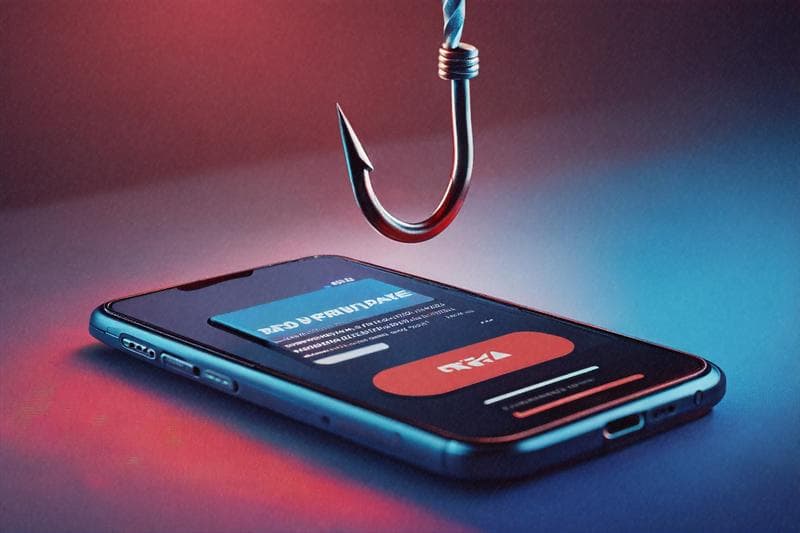
A colleague lost Rs 4.7 lakh to a single phishing email that looked exactly like an SBI alert. Here's how to spot the fakes, lock down your inbox, and make sure you're not the next easy target.
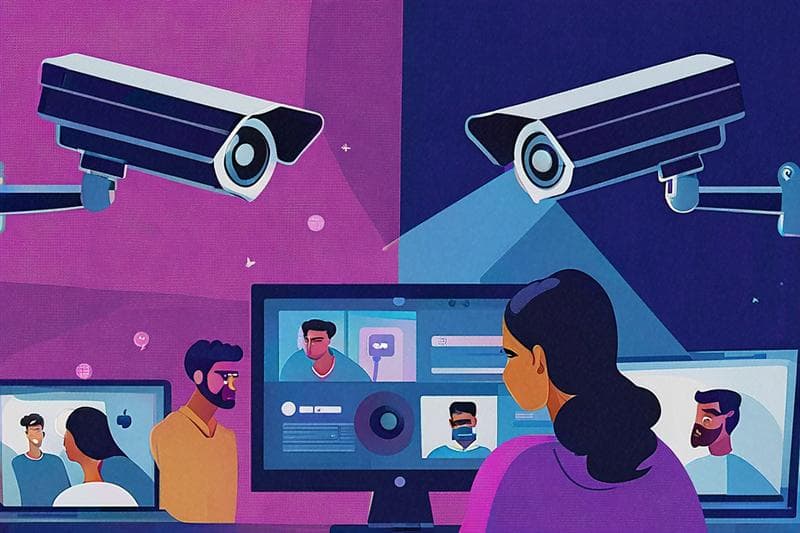
Your boss might be watching your screen right now. No, really. Since the work-from-home boom, Indian companies have quietly installed keystroke loggers, screenshot tools, and GPS trackers on employee devices. The law on whether any of this is legal? It's a mess.
Practo knows your prescriptions. 1mg knows your lab results. PharmEasy knows what you're treating. Apollo 247 has your vitals. And the Ayushman Bharat Health ID might soon tie it all together. Who else is looking at your medical records?
What exactly does a Data Protection Officer do all day, and why are Indian companies suddenly willing to pay lakhs for someone to fill the role? The DPDPA has created a career that barely existed here three years ago. Here's what the job looks like, what it pays, and how to break in.
Dating apps promise connection, but they collect some of the most intimate data you'll ever hand over — your location at 2 AM, your photo library, your desires. In a country where a leaked profile can wreck a reputation overnight, here's what Indian users should actually worry about.
A single tap on a fake payment link cost a Chennai shopkeeper his entire month's earnings. UPI phishing scams are bleeding Indian wallets dry through bogus SMS blasts, spoofed Google Ads, and WhatsApp traps. Here's how to spot them before your money vanishes.
People keep saying the DPDPA will let you ask what data the government holds on you. I disagree. The RTI Act has been doing that since 2005, for ten rupees, and most people haven't thought to try it.
Only 38% of Indian internet users could identify a phishing email in a recent nationwide survey. On Safer Internet Day 2026, that number should trouble us all -- and it should also tell us exactly where to start.
India calls itself the world's largest democracy and simultaneously runs one of the most expansive social media monitoring operations on the planet. Here's what that actually looks like on the ground, and what it means for every Indian who posts, shares, or simply scrolls.
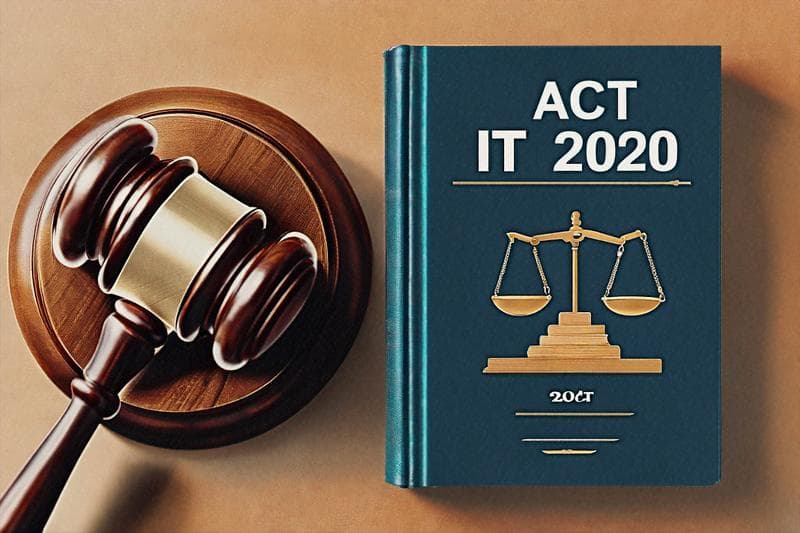
The Information Technology Act 2000 is the foundational cyber law in India. Learn about its key provisions, amendments, and how they impact your digital privacy.
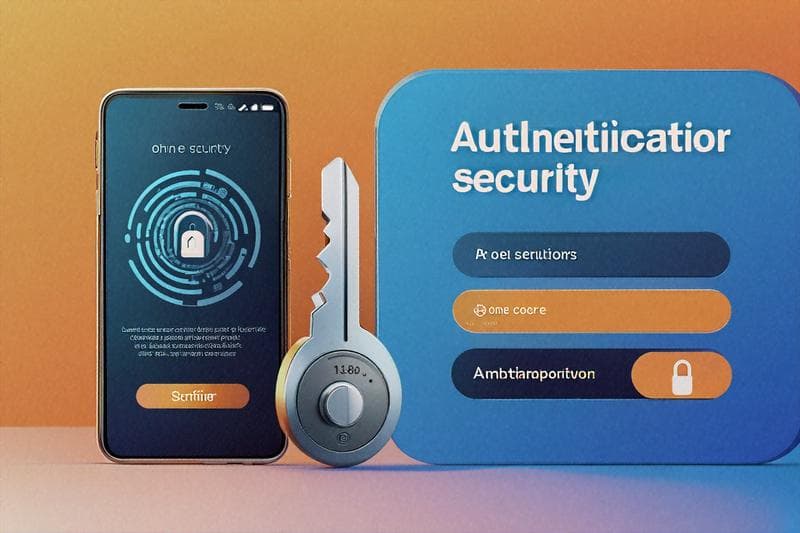
That six-digit code your bank texts you? It travels through a telecom system built in the 1970s. SIM swaps, SS7 holes, and plain old trickery make SMS OTP a shaky second factor -- here is what actually works better.
India's streets are filling up with CCTV cameras faster than anyone can count them, yet there's barely a rulebook for who watches, who stores the footage, or how long they keep it. Here's what that means for your privacy.
Someone you love could be sitting on a video call right now, shaking, convinced they're about to go to jail. Digital arrest scams have torn through India, and the people running them are disturbingly good at what they do.
India slashed its breach reporting window from 24 hours to 6. That's just one piece of the 2026 cybersecurity guidelines -- quarterly CII audits, AI governance rules, and a tiered compliance system round out the rest.
A friend's bank leaked her Aadhaar details to a marketing firm. She didn't know where to complain. Turns out, India actually gives you real options -- from Grievance Officers to the Data Protection Board to consumer courts. Here's what I learned helping her fight back.
Those cookie pop-ups aren't just a European thing anymore. India's DPDP Act and IT Act rules now shape what websites must do about cookies — and most sites are getting it wrong.
Fourteen billion UPI transactions a month and people are still entering their PIN to 'receive' money. Here's what nobody bothers to explain about collect request scams, fake helplines, QR code tricks, and SIM swaps — plus what actually works when you've already been hit.
I got tired of recycled Aadhaar safety tips that skip the parts that actually matter, so I wrote down everything I've learned from years of cleaning up identity theft messes in India.
So I was chatting with a friend about why his Aadhaar got misused, and it hit me -- most of us in India still don't get why our data matters until something goes wrong.